TRT Clinic La Jolla: Is Testosterone Therapy Right for You

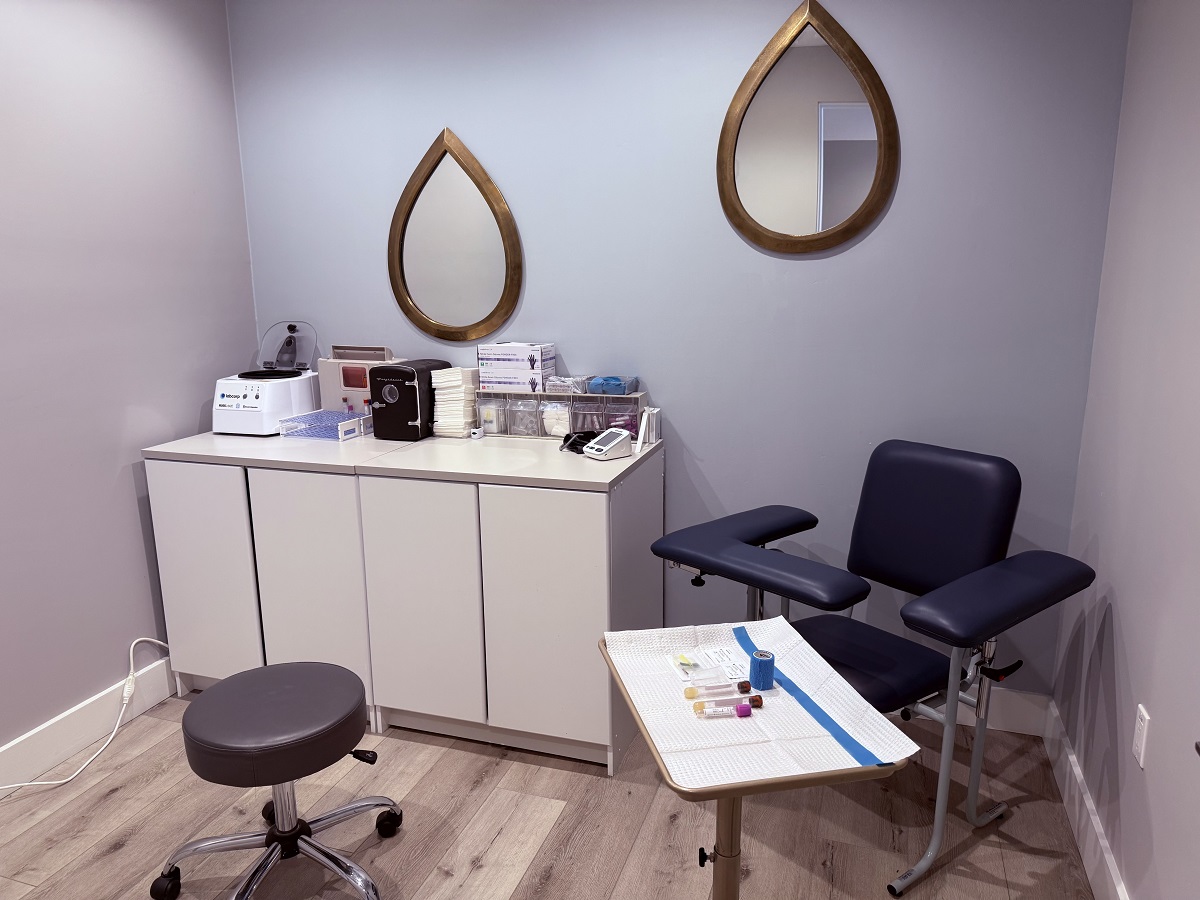
Testosterone therapy gets talked about in two very different ways. In one version, it is sold as a quick fix for fatigue, low drive, stubborn belly fat, and the vague feeling that something is off. In the other, it is treated as risky, overused, and best avoided unless a man has obvious, severe hormone deficiency. Real life sits somewhere in the middle.
If you are looking at a TRT clinic La Jolla patients trust, the right question is not whether testosterone is good or bad. The better question is whether it matches your symptoms, your lab work, your medical history, and your goals. That takes more than a social media ad or a single blood test.
The men who tend to do best with testosterone replacement therapy are usually not chasing a miracle. They are trying to solve a defined problem. They have persistent symptoms, the workup is thorough, and the treatment plan is built with some care. The men who do worst are often rushed into it, under-monitored, or sold on outcomes that were never realistic.
What TRT is actually for
TRT stands for testosterone replacement therapy. Its purpose is straightforward. It replaces testosterone in men whose levels are low enough, and whose symptoms are consistent enough, that replacing the hormone may improve health and quality of life.
That sounds simple until you sit in an exam room and realize how many common complaints overlap with low testosterone. Fatigue can come from poor sleep, overwork, depression, untreated sleep apnea, under-eating, heavy alcohol use, thyroid disease, certain medications, or just getting older and less active. Low libido can come from stress, relationship strain, antidepressants, erectile dysfunction, poor sleep, and cardiovascular issues. Reduced strength and higher body fat can reflect hormone changes, but they can also reflect a desk job and years of inconsistent training.
This is why a credible clinic starts with diagnosis, not product. A man with classic hypogonadism, confirmed by repeated lab testing and a good clinical history, is very different from a man who feels worn down after six months of poor sleep and too much work. Both deserve attention. They do not necessarily need the same treatment.
The signs that make the conversation worth having
A low testosterone workup is reasonable when symptoms are persistent, noticeable, and not explained by something obvious. Most men who seek care are not coming in for just one isolated issue. They usually describe a pattern that has developed over time.
Common symptoms that often lead to a proper evaluation include:
- lower sex drive that persists for months
- fewer morning erections or weaker erectile quality
- fatigue that does not improve with rest
- loss of muscle mass or strength despite training
- lower mood, irritability, or poor concentration
Even then, symptoms alone are not enough. Plenty of men with these complaints have normal testosterone levels, or low-normal levels that are not the main driver of how they feel. On the other hand, some men with clearly low lab values have surprisingly few symptoms. Treatment decisions live in that tension.
Why one blood test is rarely enough
This is where a lot of men get tripped up. Testosterone changes throughout the day. It is usually highest in the morning and can shift with sleep quality, illness, calorie intake, stress, and recent training. A single borderline result does not tell the whole story.
A careful clinic usually repeats testing, often with morning blood draws, and often looks beyond total testosterone alone. Depending on the case, the workup may include free testosterone, sex hormone binding globulin, luteinizing hormone, follicle stimulating hormone, estradiol, a complete blood count, thyroid markers, a metabolic panel, and sometimes prolactin or other labs if the history points that way.
That broader picture matters because low testosterone can be primary, meaning the testes are not producing enough, or secondary, meaning the signaling from the brain is impaired. Those sdbody.com trt clinic La Jolla are not trivial distinctions. They shape the discussion about cause, fertility, and long-term planning.
A good clinician also looks at the context around the numbers. I have seen men fixate on a lab value that was technically in range but lower than it used to be, while ignoring the fact that they had gained thirty pounds, stopped lifting, and were sleeping five hours a night. I have also seen men with genuinely low levels spend years being told they were just stressed because they looked outwardly healthy. Both scenarios happen.
When low testosterone is not the real issue
One of the most useful clinic visits is the one where TRT is not prescribed.
That may sound disappointing, but it can save time, money, and frustration. Sleep apnea is a common example. A man may come in exhausted, gaining weight, losing libido, and feeling mentally dull. His testosterone may be borderline low. If his wife says he snores heavily and stops breathing at night, the smartest first move may be a sleep study, not an injection plan. Treat the sleep problem and many symptoms improve, sometimes along with testosterone levels.
The same goes for obesity, poorly controlled diabetes, heavy alcohol use, opioid medication, and chronic stress. Depression can mimic low testosterone almost perfectly. So can overtraining and aggressive dieting. In these cases, a thoughtful clinician may recommend lifestyle changes, additional testing, or treatment of another condition before starting hormone therapy.
That is not a brush-off. It is often the better medicine.
What the first visit should feel like
A reputable TRT clinic in La Jolla should not feel like a sales floor. It should feel like a medical consultation. The provider should ask about symptoms, but also fertility plans, sleep, training habits, medications, cardiovascular history, urinary symptoms, mood, alcohol use, and family history. If your visit is reduced to a five-minute pitch and a promise that testosterone will get your life back, that is a warning sign.
The conversation should include practical issues. Are you done having children, or do you still want fertility options? Testosterone therapy can suppress sperm production, sometimes significantly. That fact is still underappreciated by many men in their thirties and early forties who assume more testosterone means better fertility. Biology does not work that way.
You should also hear about side effects and monitoring. Testosterone can increase red blood cell production, which may thicken the blood in some patients and require follow-up. It can affect acne, oily skin, breast tenderness, fluid retention, and sometimes mood. Men with untreated sleep apnea may worsen. Prostate concerns need context and monitoring, especially in older patients or those with urinary symptoms. None of this means TRT is unsafe across the board. It means it should be treated like real medicine.
The treatments themselves are not one-size-fits-all
There is no single best delivery method for every patient. In practice, the right option depends on lifestyle, cost, response, and tolerance.
Some men prefer injections because they are effective, familiar, and often less expensive than alternatives. Weekly or twice-weekly regimens are common in many practices because they can provide steadier levels than infrequent, larger doses. Some men feel a noticeable rise and fall with poorly spaced injections, and that roller coaster is one reason dosing schedules matter.
Others prefer gels or creams because they avoid needles and offer daily dosing. The trade-off is the need for consistent application and caution about transfer to partners or children through skin contact. Some men never absorb topical products well, even when they use them correctly.
Pellets and other formulations exist too, and each has pros and cons. What matters most is not the marketing around the method. It is whether the method fits your routine and allows proper follow-up when adjustments are needed.
What men often expect, and what usually happens
The honest version of TRT is less dramatic than the advertisements and more useful than the skeptics admit.
Some men notice improved libido, energy, and mental sharpness within weeks. Others take longer, especially if the problem has built up over years or if sleep, nutrition, and exercise are still poor. Body composition changes, such as increased lean mass and reduced fat mass, usually depend heavily on training and diet. Testosterone can support that process, but it does not replace it.
Erections are another point of confusion. If erectile dysfunction is mostly driven by blood flow problems, diabetes, performance anxiety, or relationship stress, testosterone may help only a little or not at all. If low testosterone is part of the picture, it may improve desire and erectile quality, but many men still need broader evaluation.
Mood can improve, but TRT is not an antidepressant in the general sense. Men with major depression, chronic stress, grief, or burnout often need more than hormone replacement. The same goes for men hoping TRT will restore the body they had at 25 while they keep the habits they developed at 45. That is not a moral judgment. It is just how physiology works.
The trade-offs most clinics should spell out clearly
Before starting treatment, a patient should be able to describe the likely upside and the likely downside in plain language. If that conversation has not happened, the process is incomplete.
Here are the questions worth asking before you commit:
- How was the diagnosis confirmed beyond one lab value?
- What symptoms are most likely to improve, and which might not?
- How will fertility be affected, now and later?
- What follow-up labs and visits will be needed?
- What is the plan if side effects show up or the treatment does not help?
Those answers tell you a lot about the clinic. Good medicine tolerates nuance. A weak program leans on certainty it has not earned.
Fertility deserves its own conversation
This issue is important enough to separate from the rest. Men who may want children should not treat fertility as a footnote. Exogenous testosterone can suppress the hormonal signaling needed for sperm production. Some men recover after stopping. Recovery can take time, and for some it is not simple.
That does not mean every man with low testosterone who wants future fertility is out of options. It means the treatment plan needs to be designed with that goal in mind, often with alternatives or adjunctive strategies considered by a clinician who knows the territory well. This is one of those moments where a clinic’s depth matters. If the response to a fertility question is vague or dismissive, keep looking.
Monitoring is where the quality of care shows
A surprising number of problems in testosterone therapy come not from the medication itself, but from poor follow-up. A man starts feeling somewhat better, assumes everything is fine, and goes months without checking labs. Or he has side effects, makes dose changes on his own, and ends up chasing symptoms.
A solid monitoring plan is not glamorous, but it is what makes the therapy safer and more precise. Follow-up usually includes symptom review, repeat labs, and dose adjustments based on both the numbers and how the patient is doing. Hematocrit is commonly watched because TRT can raise it in some men. Estradiol may be checked in context, especially if symptoms suggest imbalance. Prostate-related monitoring may be discussed depending on age, risk, and symptoms.
This is also where experienced judgment matters. Not every lab variation needs to be “fixed.” Not every symptom is caused by estradiol. Not every man needs aggressive adjustment because a number moved a little. Overtreatment creates its own problems.
How to judge a TRT clinic La Jolla patients can trust
La Jolla attracts health-conscious residents, active professionals, and men who want high-touch care. That can be a good thing. It also means the market includes both serious medical practices and clinics that are more interested in trt clinic La Jolla recurring revenue than diagnosis.
A trustworthy clinic usually has a few recognizable habits. The staff asks better questions. The testing is more thoughtful. The provider discusses alternatives. There is less hype and more explanation. You leave understanding not just what they recommend, but why.
Local convenience matters more than people think. Testosterone therapy is not a one-and-done service. You may need repeat visits, lab draws, prescription adjustments, and occasional troubleshooting. A clinic that is easy to access from home or work can make adherence much easier. But convenience should not outrank competence.
The best fit is often a clinic that treats TRT as one part of men’s health, not the entire story. If your blood pressure is rising, your waistline is expanding, your sleep is poor, and your exercise is inconsistent, the most valuable provider is the one who says so directly and helps you build a broader plan.
Who tends to benefit most
The men who often report the best outcomes tend to share a few traits. They had clear symptoms. Their diagnosis was confirmed properly. They had realistic expectations. They were willing to keep up with follow-up. And they addressed the surrounding lifestyle factors instead of assuming the medication would do all the work.
That last part matters more than many people want to hear. A man who starts TRT, begins resistance training three times a week, reduces alcohol, loses fifteen pounds, and treats his sleep apnea may feel dramatically better. It is tempting to credit the testosterone alone. Usually the truth is more integrated. The hormone can help open the door, but the daily habits are what walk you through it.
When caution makes sense
There are cases where slowing down is wise. Men with untreated obstructive sleep apnea, uncontrolled heart failure, certain blood disorders, active fertility goals, or unresolved prostate issues need careful evaluation before moving forward. Even in men who ultimately become good candidates, timing and sequencing matter.
Age alone is not the deciding factor, but it shapes the conversation. A healthy 67-year-old with consistent symptoms and clearly low levels may be a better candidate than a 33-year-old who is sleeping four hours a night and wants children soon. That kind of distinction is why check-the-box medicine falls short here.
Another caution point is motivation. If a man is mostly seeking an edge in the gym, rapid fat loss, or a shortcut around poor recovery habits, TRT is likely being miscast. Proper hormone therapy is not the same thing as performance enhancement. Blurring those lines leads to bad decisions.
The financial side should be transparent
One of the practical questions men forget to ask early is what the full program costs over time. Not just the initial consult, but the labs, follow-ups, medication, supplies, and any extra visits for adjustment. Pricing varies widely by clinic and by treatment method.
This is not a place where the cheapest option is automatically the smartest. If a low-cost clinic provides minimal evaluation and weak follow-up, the “savings” disappear quickly when problems arise. At the same time, the most expensive boutique practice is not automatically the best. What you want is clarity, medical rigor, and a plan that fits your budget without cutting corners.
The decision is personal, but it should not be casual
Some men are clearly appropriate candidates for treatment and do very well with it. Others are better served by identifying the reason testosterone dropped, or by treating another issue that is driving the symptoms. Many fall in the middle and need a careful, honest discussion rather than a reflexive yes or no.
If you are considering a TRT clinic La Jolla residents recommend, go in with useful questions and a willingness to hear answers you may not have expected. Good care may lead to testosterone therapy. Good care may also tell you to hold off, fix sleep, lose weight, treat a medical condition, or rethink timing because fertility matters.
That is not indecision. It is what responsible medicine looks like. When testosterone therapy is right, it should feel like a measured step based on evidence and fit, not a leap driven by frustration. The difference between those two paths often determines whether the experience is genuinely helpful or just another expensive detour.
SDBody La Jolla
7710 Fay Ave, La Jolla, CA 92037
+1 858-401-2383
FAQ About trt clinic La Jolla
How much should my TRT cost?
TRT costs depend on the clinical evaluation, medication, laboratory testing, and follow-up plan. Ask for an itemized estimate that includes the initial visit and ongoing monitoring. SDBody La Jolla can explain its current fees after discussing the services being considered.
Will Insurance Pay for TRT in La Jolla?
Coverage depends on your plan, diagnosis, prescribed treatment, and provider network. Ask your insurer about medical necessity requirements, prior authorization, laboratory coverage, and out-of-pocket costs. Confirm SDBody La Jolla's billing arrangements directly; insurance payment is not guaranteed.
Is TRT safer than steroids?
Testosterone is itself an anabolic steroid. Clinician-prescribed replacement for confirmed testosterone deficiency differs from nonmedical steroid use, but it still carries risks and requires monitoring. Possible concerns include increased red blood cell levels and reduced sperm production. Discuss your medical history and fertility goals with a qualified clinician before considering treatment.
Corrections
Spot something wrong? Send it to the desk and it gets fixed in the open.