Questions to Ask Before Choosing a TRT Clinic in La Jolla

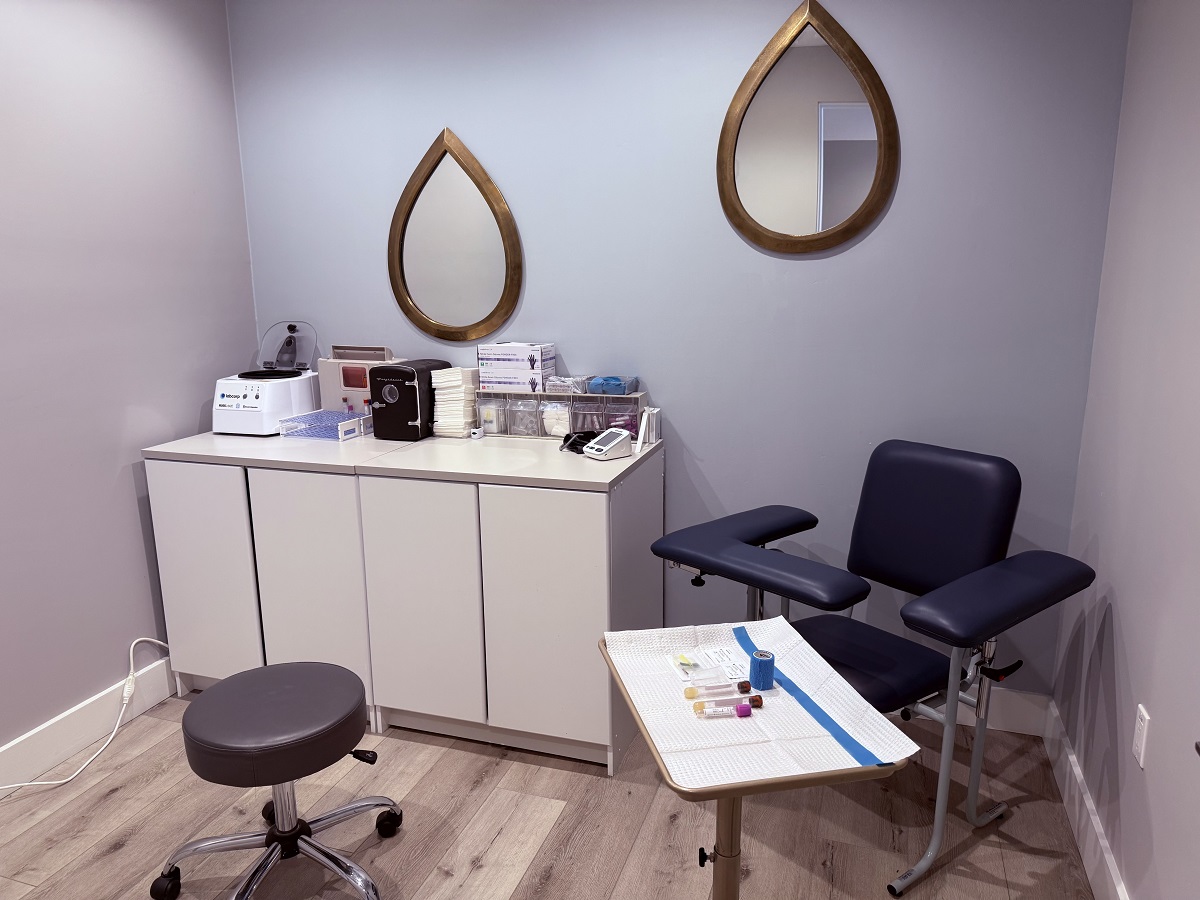

Testosterone replacement therapy can be helpful when it is prescribed for the right patient, at the right dose, with the right follow-up. It can also be handled poorly. I have seen both sides of it. Some men walk into a clinic tired, foggy, and frustrated, then finally get a clear diagnosis after a careful workup. Others are handed a prescription after a five-minute conversation and a single lab value, only to spend months chasing side effects that could have been anticipated.
That difference usually comes down to the quality of the clinic.
If you are looking for a TRT clinic in La Jolla, the setting itself can make things look polished. Attractive office, efficient front desk, upscale branding, confident marketing. None of that tells you whether the medical care is thoughtful. Before you commit, it helps to ask direct questions that reveal how the clinic actually practices. Not how it advertises, but how it evaluates patients, starts therapy, monitors risk, and adjusts treatment when real life gets messy.
Start with the most important question: do they confirm that TRT is even appropriate?
A good clinic should not be eager to put every tired man on testosterone. Fatigue, low libido, reduced muscle mass, poor concentration, low mood, and weight gain can overlap with low testosterone, but they also show up in sleep apnea, chronic stress, depression, thyroid disease, poor sleep, heavy alcohol use, obesity, insulin resistance, and certain medications. If a clinic treats symptoms without sorting through those possibilities, you are not getting careful medicine.
Ask how they diagnose testosterone deficiency. A responsible answer should include symptoms plus lab confirmation, not just one or the other. Most experienced clinicians want more than a single blood draw because testosterone levels fluctuate. Morning testing matters. Context matters. Free testosterone may matter in some cases, especially when sex hormone-binding globulin is high or low. If a clinic brushes past all of that and says your level is “low enough” based on one number drawn at an odd hour, pause there.
Another useful question is whether they look for the cause of low testosterone, not just the level itself. That can involve checking luteinizing hormone, follicle-stimulating hormone, estradiol, prolactin, thyroid markers, complete blood count, comprehensive metabolic panel, and sometimes additional testing depending on your history. A 34-year-old man with a suddenly low level deserves a different kind of evaluation than a 62-year-old man with years of gradual symptoms and metabolic issues. Good clinics understand the distinction.
Ask who is actually managing your care
This sounds obvious, but patients often do not ask it. You should know whether your treatment is overseen by a physician, nurse practitioner, or physician assistant, and how accessible that person will be once treatment begins. Titles alone do not tell the whole story. Experience, supervision structure, and comfort managing complications matter more. Still, you want clarity.
A surprisingly revealing question is this: if my labs change in an unexpected way, who reviews them and who decides what happens next? The answer should be specific. If the clinic cannot explain its chain of clinical responsibility, that is not a small administrative detail. It is a patient safety issue.
In practice, TRT is not a one-and-done prescription. Dosing may need adjustment. Hematocrit can rise. Estradiol can shift. Symptoms can improve before labs normalize, or the reverse. Fertility concerns may come up after treatment starts. A good clinician does not just authorize refills. He or she interprets patterns over time.
What is their approach to the initial evaluation?
The first visit should be more than a sales consultation. You want to know how much time the clinic spends taking a history, reviewing symptoms, discussing goals, and assessing baseline risk. Men sometimes focus on the dose because that feels tangible, but the front-end evaluation usually predicts the quality of the whole experience.
Ask whether they review sleep quality, exercise habits, alcohol intake, medication history, blood pressure, body composition changes, and reproductive goals. Those details affect both diagnosis and treatment planning. For example, if a patient snores heavily, wakes unrefreshed, and has a large neck circumference, untreated sleep apnea should be on the radar. If a patient wants children within the next year or two, that changes the conversation substantially because exogenous testosterone can suppress sperm production.
One of the best signs in a clinic is when they are willing to tell a patient, “You may be a candidate, but we need to sort out a few things first.” That is restraint, not hesitation. It often means the clinic is more interested in getting the treatment right than in closing the transaction quickly.
How do they talk about benefits?
You want honesty here, not hype.
TRT can improve energy, libido, erectile function in some men, mood, motivation, bone density, and body composition. But it is not a guaranteed cure for every complaint, and it does not work on the same timeline for everyone. Men with severe sleep deprivation, high stress, chronic illness, or unrealistic expectations can feel disappointed even when their labs improve.
Ask the clinic what changes are realistic, what changes are less predictable, and how long they usually take to appear. If you hear promises of rapid transformation, dramatic muscle gain, or universal sexual improvement, be skeptical. Experienced clinicians tend to speak in ranges and probabilities. They explain that some symptoms respond well, some improve partially, and some may have little to do with testosterone at all.
That kind of measured language is reassuring. It suggests the clinic has treated enough patients to know that biology rarely follows a sales script.
Ask about risks and side effects, and listen for whether the answer is balanced
This is where many clinics reveal themselves quickly. If the trt clinic La Jolla risks are minimized or dismissed, you are not getting a full picture.
A solid answer should cover the possibility of acne, oily skin, fluid retention, testicular shrinkage, reduced fertility, gynecomastia in some cases, mood changes, and elevated hematocrit. They should also discuss the need to monitor prostate-related symptoms and general cardiovascular risk factors, especially in older men or those with preexisting disease. The conversation does not need to be alarmist, but it should be thorough.
One nuance worth listening for is whether the clinic treats side effects as problems to investigate rather than excuses to add more medications reflexively. For example, if estradiol rises and symptoms develop, the response should be individualized. Some men need no intervention. Some need dose adjustment. Automatically reaching for an aromatase inhibitor at the first sign of a lab change can be a sign of formula-based care rather than thoughtful management.
The same applies to elevated hematocrit. If a clinic expects this issue and has a clear plan for monitoring and response, that is a good sign. If they seem surprised that you asked, keep looking.
What form of testosterone do they prefer, and why?
There is no single best delivery method for every patient. Injections, gels, creams, pellets, and other options each have trade-offs. What matters is whether the clinic explains those trade-offs rather than steering every patient toward one product because it is easiest to sell.
Injections are common and often cost-effective, but they can create peaks and troughs depending on dose and frequency. Some men feel excellent on them. Others notice mood or energy swings when the interval is too long. Topical options avoid needles and may produce steadier levels in some patients, but absorption can vary and there is a transfer risk to partners or children if application instructions are not followed carefully. Pellets appeal to men who want less frequent dosing, though insertion is a procedure and dose flexibility is limited after placement.
Ask why the clinic recommends a particular method for someone with your age, schedule, symptom pattern, and treatment goals. If the answer sounds exactly the same for every patient, it probably is.
Monitoring tells you almost everything about clinic quality
A clinic’s follow-up plan says more than its website ever will.
TRT requires repeat labs, symptom review, blood pressure checks, and dose adjustments over time. The exact schedule varies, but early follow-up is important because that is when many dosing issues and side effects first show up. You should know what they monitor, when they monitor it, and how they decide whether a trt clinic La Jolla change is needed.
Ask whether follow-up is based on both labs and symptoms. Numbers matter, but symptom relief matters too. A patient can have a “normal” testosterone level and still feel poorly because the dose timing is wrong, estradiol is shifting, sleep is poor, or the original problem was only partly hormonal. The best clinicians keep both the data and the lived experience in view.
This is also the right time to ask about access. If you develop headaches, swelling, mood changes, acne, or unexpectedly high blood pressure a few weeks into treatment, how quickly can you speak with someone who can make a clinical decision? Many frustrations with TRT do not come from the medication itself. They come from delayed callbacks, confusing instructions, and refill gaps.
Do they address fertility before treatment starts?
This deserves its own section because it is one of the most common regrets I hear about.
Some men start TRT without realizing it can lower sperm production significantly. They only learn about it when they try to conceive. A careful clinic brings up fertility before treatment starts, even if you are not asking. The conversation may include sperm preservation, alternative approaches in selected patients, or plans for future family building. It may also include a frank discussion about how age, baseline fertility, and duration of treatment complicate the picture.
If the clinic waves this away with “we’ll deal with that later,” do not ignore the warning sign. For the wrong patient, later can be much more difficult than sooner.
How do they handle men with borderline labs?
This is where clinical judgment matters most.
Not every patient has a clearly low number with obvious symptoms. Some men sit in a gray zone. They feel off, but not classically. Their sleep is poor, body fat is up, stress is high, and their labs are neither robust nor frankly deficient. Good clinics do not oversimplify this. They may recommend repeat testing, additional evaluation, weight loss efforts, sleep assessment, or a period of lifestyle correction before committing to long-term hormone therapy.
That can feel less satisfying in the moment than receiving an immediate prescription. Still, it is often the more professional answer. TRT can be valuable, but once you begin, you have entered a treatment relationship that should be approached with a long view.
Cost matters, but the cheapest model can become expensive fast
Many men begin the search by comparing monthly fees. That is understandable, but it helps to look past the headline price. Some clinics advertise an attractive monthly cost and then charge separately for labs, follow-ups, injection teaching, medication shipping, or ancillary drugs. Others bundle everything but use a high-volume model with limited access and minimal personalization.
Ask exactly what is included. You want clarity around consultation fees, baseline labs, repeat labs, medication cost, supplies, follow-up visits, and how dose changes affect price. If the clinic uses a subscription model, ask what happens if you pause treatment or transfer care.
There is also a practical issue that experienced patients learn quickly. A poorly run low-cost clinic can cost more over time if you end up repeating labs elsewhere, switching providers mid-course, or dealing with preventable side effects. Value in hormone care comes from careful management, not from the smallest number on a web page.
Questions worth bringing to the consultation
If you want a simple way to keep the conversation focused, bring a short set of written questions. It changes the tone of the visit and makes it easier to compare clinics afterward.
- How do you confirm that I am a true candidate for TRT, and what labs do you require before starting?
- Who will manage my treatment directly, and how available are they if I have side effects or concerns?
- What is your plan for monitoring labs, symptoms, blood pressure, and hematocrit after treatment begins?
- How do you handle fertility concerns, and what alternatives do you discuss for men who may want children?
- What total costs should I expect over the first six to twelve months, including labs and follow-up?
Those five questions will tell you a lot. Not just from the content of the answers, but from how the clinic responds. Clear, calm, detailed replies are reassuring. Evasion, overselling, or irritation are useful data too.
Watch how the clinic deals with nuance
Some of the best TRT care happens in the margins, where the answer is not obvious. A man’s total testosterone may improve while his energy does not. Another patient may feel dramatically better on a lower dose than expected. Someone else may develop acne, rising hematocrit, or irritability despite textbook lab ranges. These are not rare exceptions. They are part of real practice.
A mature clinic does not get defensive when treatment is not perfectly linear. Instead, it reassesses. It looks at timing of doses, sleep, alcohol use, exercise load, body weight, stress, estradiol, thyroid function, and adherence. It revisits the original diagnosis if the clinical picture no longer fits. That is what competent follow-up looks like.
You can often sense this mindset during the consultation. Does the provider speak as though there is one protocol for everyone, or do they talk about patterns, contingencies, and adjustments? Medicine is rarely improved by pretending every patient is straightforward.
Signs you may want to walk away
Most patients know when something feels off, but it helps to name the specific problems.
- You are offered testosterone after a very limited history or a single questionable lab result.
- The clinic makes dramatic promises about muscle gain, sexual performance, or anti-aging effects.
- Fertility, hematocrit, and long-term monitoring are barely discussed or skipped entirely.
- Follow-up plans are vague, or you cannot tell who reviews your labs and makes treatment decisions.
- Costs remain unclear even after you ask directly.
A clinic does not need to be perfect to be safe and effective. It does need to be transparent, medically grounded, and willing to answer hard questions without turning the conversation into a pitch.
Why local context matters in La Jolla
La Jolla has no shortage of premium medical branding. Patients here often have access to concierge services, wellness-focused practices, and specialty clinics that present themselves as highly customized. Some truly are. Some are simply polished. The challenge is separating a refined patient experience from strong clinical substance.
That matters because TRT sits at the intersection of hormone health, sexual health, preventive care, and personal expectations. In an affluent market, there can be more pressure to package treatment as optimization rather than medicine. There is nothing wrong with wanting to feel and function better, but if the clinic frames every symptom as a testosterone problem and every solution as a paid treatment package, caution is warranted.
When evaluating a TRT clinic in La Jolla, think like a patient and like a consumer. Professionalism should show up in the details, not just the décor. Careful intake. Thoughtful lab work. Honest discussion of uncertainty. Clear monitoring. Responsible prescribing. Those are the markers that count.
The right clinic should make you feel informed, not persuaded
When patients describe their best healthcare experiences, they usually do not talk first about charisma or luxury. They talk about clarity. They felt heard. Their questions were answered directly. Risks were addressed without being brushed aside. The plan made sense. Follow-up was easy to understand. Nothing felt hidden.
That is the standard to look for here.
TRT can be a worthwhile treatment for the right patient, and many men do well on it when it is prescribed and monitored properly. The clinic you choose shapes almost every part of that outcome. Ask precise questions, pay attention to the quality of the answers, and give more weight to judgment than to marketing. A good clinic will welcome that level of scrutiny. It usually means you have found the kind of practice that takes the work seriously.
SDBody La Jolla
7710 Fay Ave, La Jolla, CA 92037
+1 858-401-2383
FAQ About trt clinic La Jolla
How much should my TRT cost?
TRT costs depend on the clinical evaluation, medication, laboratory testing, and follow-up plan. Ask for an itemized estimate that includes the initial visit and ongoing monitoring. SDBody La Jolla can explain its current fees after discussing the services being considered.
Will Insurance Pay for TRT in La Jolla?
Coverage depends on your plan, diagnosis, prescribed treatment, and provider network. Ask your insurer about medical necessity requirements, prior authorization, laboratory coverage, and out-of-pocket costs. Confirm SDBody La Jolla's billing arrangements directly; insurance payment is not guaranteed.
Is TRT safer than steroids?
Testosterone is itself an anabolic steroid. Clinician-prescribed replacement for confirmed testosterone deficiency differs from nonmedical steroid use, but it still carries risks and requires monitoring. Possible concerns include increased red blood cell levels and reduced sperm production. Discuss your medical history and fertility goals with a qualified clinician before considering treatment.
Corrections
Spot something wrong? Send it to the desk and it gets fixed in the open.